
Our Patients

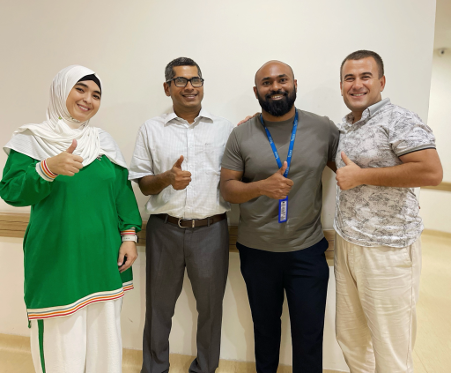
Maktuba Kholmatova, 38 years old, Jizzakh, Uzbekistan
Diagnosis: Cirrhosis
Treatment: Liver transplant in India

Maktuba contacted us already aware of her diagnosis and 100% certain that a liver transplant was necessary. It's worth noting that the situation wasn't critical, but the decision to undergo a transplant had already been made. The main argument was that a liver transplant would be necessary sooner or later, and the sooner it was done, the fewer the risks and postoperative complications.

Watch the review
Maktuba Kholmatova, 38 years old, Jizzakh, Uzbekistan
Diagnosis: Cirrhosis
Treatment: Liver transplant in India

Maktuba contacted us already aware of her diagnosis and 100% certain that a liver transplant was necessary. It's worth noting that the situation wasn't critical, but the decision to undergo a transplant had already been made. The main argument was that a liver transplant would be necessary sooner or later, and the sooner it was done, the fewer the risks and postoperative complications.

Watch the review
Maktuba Kholmatova, 38 years old, Jizzakh, Uzbekistan
Diagnosis: Cirrhosis
Treatment: Liver transplant in India

Maktuba contacted us already aware of her diagnosis and 100% certain that a liver transplant was necessary. It's worth noting that the situation wasn't critical, but the decision to undergo a transplant had already been made. The main argument was that a liver transplant would be necessary sooner or later, and the sooner it was done, the fewer the risks and postoperative complications.

Watch the review
Maktuba Kholmatova, 38 years old, Jizzakh, Uzbekistan
Diagnosis: Cirrhosis
Treatment: Liver transplant in India

Maktuba contacted us already aware of her diagnosis and 100% certain that a liver transplant was necessary. It's worth noting that the situation wasn't critical, but the decision to undergo a transplant had already been made. The main argument was that a liver transplant would be necessary sooner or later, and the sooner it was done, the fewer the risks and postoperative complications.

Watch the review

Enquire Now

Receive personalized guidance from our medical experts.

Treatment History

Liver Transplant in India

Liver transplantation in India is a common and well-developed procedure due to the high level of medical care and the expertise of specialists.

In India, transplantation is permitted only from a related donor.

In Maktuba’s case, the donor was her brother — Dilmurod.

Stages of Liver Transplantation in India

1. Preoperative Preparation

1.1. Health Assessment of the Patient and Donor

A comprehensive medical examination is conducted to assess the condition of the liver, cardiovascular system, lungs, and other organs.

Blood tests, infectious disease screenings, and assessment of liver function are performed.

The evaluation includes biochemical blood tests, ultrasound examination, MRI, or CT scans.

1.2. Psychological Evaluation

The psychological readiness and emotional condition of the patient and the donor are assessed.

Consultations with a psychologist or psychiatrist are conducted.

1.3. Compatibility

The blood group and tissue compatibility of the donor and recipient are determined.

Tests are conducted to identify antibodies and other factors affecting compatibility.

1.4. Legal and Ethical Evaluation

Legal aspects are reviewed and consent for the operation is obtained.

Permission is obtained from the Embassy.

All necessary documents are completed.

2. Surgical Procedure

2.1. Preparation for Surgery

Maktuba and her brother-donor were hospitalized several days before the surgery.

Comprehensive preoperative preparation was carried out.

2.2. Donor Surgery — Dilmurod

General anesthesia is administered.

Surgical removal of a portion of the liver — the right lobe — is performed.

Bleeding is controlled and the integrity of the remaining part of the liver is restored.

After that, the incision is closed and postoperative monitoring of the donor begins.

2.3. Recipient Surgery — Maktuba

General anesthesia is administered.

The patient’s damaged liver is removed.

The extracted portion of the donor’s liver is transplanted into the recipient’s body.

The blood vessels and bile ducts are connected.

After completion of the surgery, the incision is closed, and the patient is transferred to the intensive care unit.

The length of stay in the intensive care unit was 12 days.

3. Long-Term Rehabilitation

3.1. Transfer to a Regular Ward and Continued Monitoring

For the donor, transfer to a regular ward takes place on the third day.

For the recipient, transfer to a regular ward occurs after 12 days.

3.2. Regular Examinations and Blood Tests

Continuous monitoring of liver function is carried out.

The levels of immunosuppressants are monitored.

3.3. Recovery and Lifestyle

Physiotherapy and gradual increase in physical activity are prescribed.

Dietary nutrition and strict adherence to the regimen are recommended.

4. Monitoring and Long-Term Follow-Up

4.1. Regular Check-Ups

Periodic visits to the doctor are conducted to monitor liver condition and overall health.

Screening is performed for possible complications such as infection, thrombosis, or rejection.

4.2. Medication Intake

The recipient is prescribed lifelong intake of immunosuppressants and other medications.

The donor does not require immunosuppressant medication.

Regular blood tests are conducted to adjust dosages.

MedHind Company — Treatment in India

The MedHind company — treatment in India offers its patients “All Inclusive” packages.

The cost of the “Liver Transplant in India” package starts from USD 22,500.

The indicated price applies if the donor’s and patient’s blood groups match.

Duration of Stay in India

The recommended duration of stay in India is 60 days.